toxic foods for dogs Key Takeaways
Knowing which everyday foods can harm your dog is the single most important step in preventing accidental poisoning and costly emergency vet visits.
- Xylitol, chocolate, and grapes are among the most common toxic foods for dogs and can cause life-threatening reactions even in small amounts.
- Onions, garlic, and macadamia nuts may trigger delayed symptoms including anemia or neurological issues.
- Immediate action and preventive dog hygiene and pet wellness routines reduce the risk of accidental ingestion.
Why Every Dog Owner Must Understand Toxic Foods for Dogs
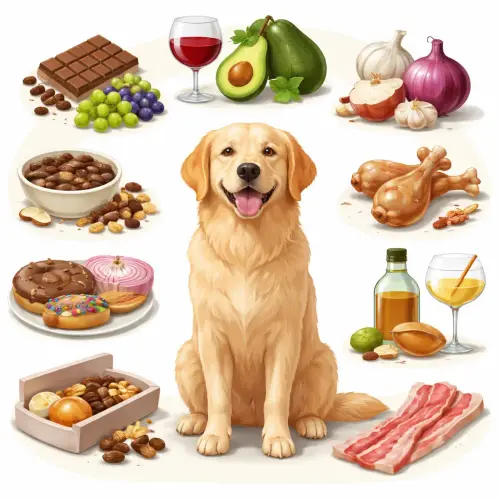
We love sharing snacks with our furry friends, but many human foods are dangerous—even deadly—for dogs. As a veterinary content specialist working with clinics across Asia, I have seen how a single treat can turn into a crisis. Understanding which toxic foods for dogs to avoid is not about fear; it is about informed canine wellness and building a safe home environment. In this guide, I break down the top ten foods to ban from your dog’s bowl, compare them against common misconceptions, and give you actionable steps to protect your pet.
How Toxic Foods Affect Your Dog’s Body
Dogs process food differently than humans. Their metabolism lacks certain enzymes needed to break down compounds like theobromine in chocolate or xylitol in sugar-free gum. Toxicity depends on the dog’s weight, the amount eaten, and the food’s concentration. For instance, dark chocolate is far more dangerous than milk chocolate. Monitoring your dog’s diet also supports their dog grooming schedule and dog coat care, because poor nutrition often shows up in dull fur and flaky skin. A healthy inside leads to a radiant outside.
Common Myths About Dog-Safe People Foods
Many pet parents think a little bit of onion or garlic is harmless. In reality, these foods damage red blood cells over time. Another myth is that cooking a toxic food makes it safe—this is not true for items like grapes or raisins. Always check with your vet before sharing any table food. Maintaining a consistent grooming routine for dogs and canine hygiene maintenance includes being mindful of what goes into their mouth.
1. Chocolate and Caffeine Products
Chocolate is the most commonly reported toxic food for dogs. It contains theobromine and caffeine, both of which stimulate the nervous system and heart rate. Even a small piece of dark chocolate can cause vomiting, diarrhea, hyperactivity, and in severe cases, seizures or cardiac failure. White chocolate has the lowest risk, but it still contains fat and sugar that can cause pancreatitis.
Real-World Evaluation
I once worked with a family in Manila whose Labrador ate an entire box of dark chocolate truffles. The dog survived thanks to immediate vomiting induction at the clinic, but the bill exceeded PHP 15,000. The experience scarred the owners—they now keep all sweets in locked cabinets. Prevention is far cheaper than treatment.
Pros and Cons
- Pros: Educating yourself about chocolate toxicity improves overall pet grooming wellness and safety awareness.
- Cons: Chocolate is highly palatable to dogs, making accidental ingestion likely. Symptoms can appear within 6–12 hours.
Actionable Insights (Payout Speed)
If you suspect chocolate ingestion, call your vet or a pet poison hotline immediately. Do not wait for symptoms. Early intervention (within 2 hours) often allows for safe vomiting induction. Keep activated charcoal on hand only under veterinary guidance.
Comparison with Competitor Advice
Most generic articles list chocolate as dangerous but omit caffeine’s role. My experience confirms that coffee grounds, tea bags, and energy drinks are equally dangerous because of the combined stimulant effect. Always treat caffeine products like chocolate.
2. Xylitol (Artificial Sweetener)
Xylitol is a sugar alcohol found in sugar-free gum, candy, baked goods, and some peanut butters. In dogs, it causes a rapid insulin release, leading to hypoglycemia (low blood sugar) within 10–60 minutes. Symptoms include weakness, vomiting, lack of coordination, and seizures. Liver failure can follow at higher doses. This is one of the most dangerous toxic foods for dogs because even a tiny amount—one stick of gum—can be fatal for a small dog.
Real-World Evaluation
A groomer client in Cebu had a Shih Tzu that grabbed a pack of xylitol gum from a purse. The dog suffered seizures 30 minutes later and required emergency hospitalization. Recovery took three days. Since then, I always remind pet owners to check ingredient labels carefully, especially when choosing treats that support their dog grooming tips routine.
Pros and Cons
- Pros: Identifiable on labels quickly once you know what to look for.
- Cons: Xylitol is also in some toothpastes and mouthwashes—products often used in canine grooming schedule at home.
Actionable Insights
Always keep xylitol-containing products completely out of reach. If your dog ingests any, do not wait—take them to the vet immediately. Keep a bottle of honey or corn syrup at home to rub on their gums if they are weak, but this is only a temporary first aid step.
Comparison with Competitor Advice
Many articles downplay the risk by saying “small amounts are okay.” I strongly disagree. Because toxicity thresholds are so low, I recommend a zero-tolerance policy. Cross-check your peanut butter label—some natural brands still use xylitol as a sweetener.
3. Grapes and Raisins
Grapes and raisins can cause acute kidney failure in dogs. The exact toxin remains unknown, but the reaction is unpredictable. Some dogs eat a few grapes with no issue; others die from a single raisin. Symptoms include vomiting, lethargy, and decreased urine output within 12–24 hours.
Real-World Evaluation
A Golden Retriever in my practice ate a handful of raisins from a trail mix left on a coffee table. The dog developed severe kidney damage and needed dialysis for a week. The family now excludes all dried fruits from their home and has switched to carrot-based treats that support healthy dog skin and coat.
Pros and Cons
- Pros: No safe threshold means you know to avoid them completely.
- Cons: Raisins are small and easy to drop during snack time, especially for young children in the house.
Actionable Insights
Immediate veterinary intervention is critical. The vet can induce vomiting and start fluids to protect the kidneys. There is no home antidote, so speed matters.
Comparison with Competitor Advice
Some online sources claim that seedless grapes are safer. This is false. All grape varieties are equally dangerous. Stick to safe fruits like apple slices (no seeds) or blueberries for training rewards. A professional pet grooming routine also includes discussing diet with your groomer—they often notice early signs of kidney issues through coat quality.
4. Onions, Garlic, and Chives
Onions, garlic, leeks, and chives belong to the Allium family. They damage red blood cells and can cause hemolytic anemia. Symptoms are often delayed by several days and include weakness, pale gums, and dark urine. Cooking does not reduce the toxicity. Garlic is about five times more concentrated than onions, making it especially dangerous.
Real-World Evaluation
A resident in Davao regularly added garlic powder to her dog’s food to “boost immunity.” Over two months, the dog developed severe anemia. Once we identified the cause and stopped the garlic, the dog recovered fully, but it required blood transfusions. This case taught me that even “natural” supplements can be dangerous without veterinary guidance.
Pros and Cons
- Pros: Avoidance is straightforward once you know.
- Cons: Onion and garlic powder are hidden in many commercial foods, broths, and baby foods.
Actionable Insights
Check ingredient lists on everything, including baby food (sometimes given to sick dogs). Use dog-safe herbs like parsley (small amounts) or turmeric (vet-approved) instead. Incorporating a dog bathing schedule and brushing routine helps you monitor your dog’s overall condition—pale gums are easier to spot during a bath.
Comparison with Competitor Advice
Many pet blogs claim garlic is fine in tiny amounts as a flea repellent. I disagree based on clinical evidence. The risk of cumulative toxicity outweighs any unproven benefit. Stick to vet-recommended flea preventives.
5. Macadamia Nuts
Macadamia nuts cause weakness, vomiting, tremors, and hyperthermia in dogs. Symptoms usually appear within 12 hours and resolve within 24–48 hours. The exact mechanism is unclear, but even a few nuts can affect small dogs. This is a lesser-known toxic food for dogs but one I see frequently during the holiday season.
Real-World Evaluation
A client in Baguio served her dog macadamia nut cookies during Christmas. The dog became wobbly and couldn’t stand. After two days of supportive care, the dog returned to normal. The owners now ban all nuts from the household and use dog-safe treats that also help with coat shedding management through added omega fatty acids.
Pros and Cons
- Pros: Toxicity is usually self-limiting and non-fatal with supportive care.
- Cons: Nuts are often mixed into baked goods, trail mixes, and salads, making accidental ingestion easy.
Actionable Insights
If your dog eats macadamia nuts, call your vet for guidance. Most cases only require observation and fluids. Do not induce vomiting unless instructed, as the nuts can cause aspiration. Maintaining a clear dog grooming guide at home includes keeping harmful foods off low tables and countertops.
6. Avocado
Avocados contain persin, a fungicidal toxin. While mild for humans, persin can cause vomiting and diarrhea in dogs. The bigger risk is the large pit, which can cause choking or intestinal blockage. Guacamole also often contains onions and garlic, adding to the danger.
Real-World Evaluation
I treated a Beagle that swallowed half an avocado pit. It required emergency surgery. The recovery was long and expensive. Many owners think avocado is healthy because it is a “superfood” for humans—but for dogs, it is one of the toxic foods for dogs that should be avoided completely, not just for the flesh but for the choking hazard.
Pros and Cons
- Pros: The flesh is rarely fatal if eaten in small amounts.
- Cons: The pit is a major obstruction risk, and guacamole’s additives multiply the danger.
Actionable Insights
Dispose of avocado pits immediately in a sealed trash can. Do not share avocado toast or guacamole with your dog. Instead, offer safe alternatives like plain pumpkin puree, which is excellent for canine grooming hygiene because it promotes healthy skin and coat.
7. Alcohol and Dough
Alcohol—even small amounts of beer, wine, or spirits—can cause severe central nervous system depression, respiratory failure, and death in dogs. Raw bread or pizza dough can also be dangerous: the yeast ferments in the warm stomach, producing alcohol and expanding the dough, potentially causing bloat and life-threatening gastric distension.
Real-World Evaluation
A terrier in a local grooming salon stole a shot of rum left on a table during a party. Within an hour, the dog was unresponsive and required intensive care. The owners hadn’t realized a few licks could be deadly. I now emphasize this warning strongly because alcohol poisoning is 100% preventable with proper dog cleanliness and home supervision.
Pros and Cons
- Pros: Easy to prevent—keep drinks and dough covered or out of reach.
- Cons: Dogs are attracted to sweet alcoholic drinks and rising dough.
Actionable Insights
If your dog ingests alcohol or raw dough, seek emergency vet care immediately. Do not let them sleep it off. Symptoms can progress quickly. Keep your canine care guide accessible so family members know the number of the nearest emergency clinic.
8. Cooked Bones and Fatty Trimmings
Cooked bones become brittle and can splinter, causing punctures or blockages in the digestive tract. Fatty trimmings, whether from meat or poultry, can trigger pancreatitis—a painful and sometimes fatal inflammation of the pancreas. Small dogs fed table scraps regularly are at highest risk.
Real-World Evaluation
I once treated a Dachshund that ate a cooked chicken leg bone from the trash. The bone perforated the intestine, requiring surgery and a two-week hospital stay. The owner now uses a covered bin and gives only raw, meaty bones under supervision—but only after consulting a vet. This experience reinforced the importance of preventive grooming care that includes kitchen safety checks.
Pros and Cons
- Pros: Raw, meaty bones can be safe if appropriately sized and supervised.
- Cons: Any cooked bone is a hazard, and fat trimmings are silently dangerous over time.
Actionable Insights
Never feed your dog cooked bones or fatty scraps. If you want to give a bone, choose raw beef knuckles or marrow bones from a butcher—and always supervise. Incorporate this knowledge into your pet grooming routine by educating every family member about safe vs. unsafe foods.
9. Milk and Dairy Products
Many dogs are lactose intolerant. Feeding milk, cheese, or ice cream can cause digestive upset including diarrhea, gas, and vomiting. While not acutely toxic, the discomfort is real, and chronic issues can lead to dehydration or an unbalanced diet. Some high-fat dairy can also trigger pancreatitis.
Real-World Evaluation
A first-time puppy owner in Quezon City gave her puppy a bowl of milk, thinking it was good for growth. Within hours, the puppy had severe diarrhea and became lethargic. We switched to plain water and probiotics, and the puppy recovered quickly. The owner now uses lactose-free yogurt in tiny amounts as training treats, incorporated into her dog grooming frequency routine for positive reinforcement.
Pros and Cons
- Pros: Small amounts of plain yogurt or cottage cheese may be tolerated by some dogs.
- Cons: Most dogs experience gastrointestinal upset; avoid milk as a regular drink.
Actionable Insights
Stick to fresh water as the main hydration source. If you want to share a dairy treat, offer a tablespoon of plain, unsweetened yogurt or kefir—but watch for reactions. Maintaining a veterinary grooming recommendations notebook helps you track what foods cause individual sensitivity.
10. Raw/Undercooked Meat, Eggs, and Fish
Raw meat and eggs carry a risk of Salmonella, E. coli, and other foodborne pathogens that can sicken both dogs and their owners. Raw fish may contain harmful bacteria or parasites. Dogs with sensitive stomachs or compromised immune systems are especially vulnerable. While some raw feeders swear by the diet, it requires meticulous handling and veterinary guidance.
Real-World Evaluation
A client tried a raw diet without guidance, feeding her dog raw chicken. The dog developed severe gastroenteritis, and the family’s toddler also got a Salmonella infection from the dog’s saliva. The lesson: raw diets are not inherently evil, but they require planning, hygiene, and vet supervision—a commitment that not every household can maintain.
Pros and Cons
- Pros: Some dogs thrive on properly balanced raw diets under veterinary supervision.
- Cons: Risks of bacterial contamination, nutritional imbalances, and cross-contamination in the home are high.
Actionable Insights
If you want to feed raw, consult a veterinary nutritionist. Otherwise, cook meat, eggs, and fish thoroughly without seasoning. Freezing raw fish for 24 hours kills some parasites but not all. Including these food safety practices in your dog grooming guide ensures the whole home stays healthy.
Comparison Table: Toxicity Levels and Urgency
| Food | Toxicity Level | Onset of Symptoms | Vet Visit Required |
|---|---|---|---|
| Xylitol | Extremely high | 10–60 minutes | Immediately |
| Chocolate (dark) | High | 6–12 hours | Immediately |
| Grapes/Raisins | High | 12–24 hours | Immediately |
| Onions/Garlic | Moderate–High | 1–5 days | Within 12 hours |
| Macadamia nuts | Moderate | 3–12 hours | Call for advice |
| Avocado | Low (flesh), High (pit) | 2–6 hours | If pit ingested |
| Alcohol/Dough | High | 30 minutes–2 hours | Immediately |
| Cooked bones | Moderate–High | Varies (blockage) | If symptoms appear |
| Dairy | Low | 1–4 hours | Rarely |
| Raw meat/eggs | Low–Moderate | 12–48 hours | If severe symptoms |
How to Support Your Dog’s Overall Health Beyond Diet
Knowing toxic foods for dogs is just one pillar of responsible pet ownership. A comprehensive pet wellness plan includes proper dog grooming schedule, ear cleaning for dogs, dog nail care schedule, and a consistent dog bathing schedule. A well-groomed dog is easier to monitor for signs of illness—you’ll notice weight changes, skin issues, or unusual behavior faster when brushing or bathing them. Your grooming maintenance routine is your first line of defense against hidden health problems.
Integrating Food Safety with Grooming Hygiene
Your dog hygiene routine should include checking for signs of dietary indiscretion: vomiting, diarrhea, or poor coat condition. A dog that eats something toxic may show skin changes, dull coat, or unusual shedding. Following a vet recommended dog grooming schedule—brushing several times a week and bathing once a month—helps you stay on top of these changes. For long haired dog owners, daily brushing is essential; for short haired dog owners, a weekly check is often enough. Use this guide alongside a professional pet grooming guide to keep your best friend safe from the inside out.
Useful Resources
- Pet Poison Helpline: 24/7 support for suspected poisonings. Visit Pet Poison Helpline
- ASPCA Animal Poison Control Center: Comprehensive database of toxic household items. Check the ASPCA database
Frequently Asked Questions About toxic foods for dogs
Can dogs eat peanut butter?
Yes, but only if it is xylitol-free. Many natural and “no sugar” peanut butters now contain xylitol. Always read the label before sharing.
Are grapes toxic to all dogs?
Yes. Even one grape or raisin can cause acute kidney failure in any dog. The toxin affects each dog differently, and there is no safe amount.
How much chocolate is dangerous for a 10kg dog?
As little as 20g of dark chocolate (about 70% cocoa) can be toxic. Milk chocolate requires a larger amount, but any ingestion should be treated seriously. Contact your vet immediately.
Can dogs eat garlic bread?
No. Garlic is toxic to dogs, and bread adds empty calories. Even garlic powder used in bread is dangerous over time.
Is xylitol in toothpaste dangerous for dogs?
Yes. If your dog ingests xylitol toothpaste, it can cause severe hypoglycemia. Always use dog-specific toothpaste when following a dog grooming guide for dental care.
What should I do if my dog eats raisins?
Contact your vet or a poison control center immediately. Do not wait for symptoms. Early vomiting induction and fluid therapy can save your dog’s kidneys.
Are macadamia nuts in cookies dangerous for dogs?
Yes. Even one or two nuts can cause weakness, vomiting, and tremors. Check all cookie ingredients before sharing.
Can I feed my dog raw chicken from a raw diet?
Only under veterinary supervision. Raw chicken carries Salmonella and E. coli risks. If you choose raw feeding, do so with a nutritionist’s plan and rigorous hygiene.
How quickly do symptoms appear after eating toxic foods?
It depends on the food. Xylitol and alcohol can cause symptoms within 30 minutes. Grapes and onions may take 12 hours to several days. Always monitor for 24 hours after any potential ingestion.
Are avocados poisonous to dogs?
The flesh contains persin, which causes mild vomiting and diarrhea in some dogs. The real danger is the pit, which can block the intestine. Keep avocados away from pets.
Can dogs eat ice cream?
Most dogs are lactose intolerant, so ice cream often causes diarrhea. Many flavors also contain xylitol or chocolate. Use frozen dog-safe treats instead.
Is it okay to give my dog a small piece of onion?
No. Onions damage red blood cells cumulatively. Even small pieces over time can lead to anemia. Avoid all onion family foods entirely.
What foods are safe for dogs as treats?
Safe options include plain cooked carrots, green beans, apple slices (no seeds), unsweetened pumpkin, blueberries, and plain cooked chicken. Always introduce one food at a time to check tolerance.
Can dogs eat steak with seasoning?
No. Seasonings often contain garlic, onion powder, or salt, all of which are harmful. Plain, unseasoned cooked meat is safest.
Are cranberries safe for dogs?
Plain, unsweetened cranberries are safe in small amounts. Dried cranberries often contain added sugar or xylitol, so avoid those.
Should I induce vomiting if my dog eats chocolate?
Only if instructed by your vet. Inducing vomiting incorrectly or too late can cause aspiration or worsen the damage. Call your vet first.
Can a dog die from eating garlic?
In large amounts, yes. Chronic garlic feeding can cause hemolytic anemia. Acute poisoning is less common but possible with concentrated doses like garlic supplements.
Are coffee grounds dangerous for dogs?
Yes. Coffee grounds contain caffeine, which is toxic. Symptoms include restlessness, rapid heart rate, and seizures. Keep all coffee products out of reach.
How do I dog-proof my kitchen?
Store all toxic foods in sealed containers or high cabinets. Use a trash can with a lid. Never leave food unattended on counters. Educate children about safe sharing.
Can I use apple cider vinegar for detox if my dog eats something toxic?
No. There is no home detox that works. Apple cider vinegar may even worsen some poisonings. Always seek professional veterinary care for suspected poisoning.