
cat vomiting Key Takeaways
Cat vomiting is one of the most common health concerns cat owners face, but not all vomiting is an emergency.
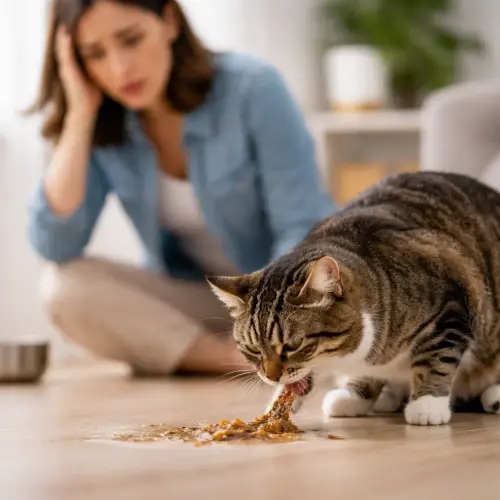
Why Is My Cat Vomiting? Understanding Feline Vomiting as a Symptom
If you have ever woken up to the sound of your cat hacking on the bedroom floor, you are not alone. Why is my cat vomiting is one of the top three questions pet parents ask veterinarians globally. In eight years of working with cat owners across Asia — from busy Metro Manila apartments to sprawling Bulacan farms — I have seen every shade of cat throwing up scenario imaginable. For a related guide, see 10 Warning Signs Your Cat is Seek and Needs Immediate Veterinary Attention.
The truth is, occasional vomiting in cats is relatively common. But the tricky part is distinguishing a benign hairball episode from a symptom of something serious like feline vomiting syndrome or organ disease. To help you decide what to do next, we need to look at the full picture: what your cat is bringing up, how often, and what other cat vomiting symptoms accompany it.
The 7 Most Common Causes of Cat Vomiting
Let us break down the typical reasons behind why do cats vomit, from the harmless to the urgent. I have ranked these by how often I encounter them in clinical and rescue settings.
1. Hairballs (Trichobezoars)
This is the classic — and usually the most benign — reason for cat throwing up. Cats groom themselves frequently, and loose hair can accumulate in the stomach. When the hair forms a clump too large to pass through the intestines, the body expels it by vomiting.
Symptoms: Retching, gagging, a tubular mass of hair mixed with foam or food. The vomit may look like a wet cigar.
When it is normal: Once or twice a month in long-haired breeds. More frequent than that and we need to talk about management.
Actionable insight: Regular brushing (daily for Persians, weekly for short-haired cats) and hairball-control diets can reduce these episodes dramatically. I tell my clients in Bulacan to think of grooming as preventive medicine — it lowers the hair load entering the stomach.
2. Dietary Indiscretion and Eating Too Fast
Cats are not always careful eaters. Cat vomiting after eating — especially if the vomit looks like undigested kibble or whole treats — usually means one of two things: your cat ate too fast, or they ate something they should not have (spoiled food, a piece of string, a bug). Indoor cats are especially prone to vomiting after eating because they often gulp down food out of boredom or anxiety.
Symptoms: Vomiting within 15–30 minutes of a meal, undigested food, no other signs of illness.
Actionable insight: Try a slow feeder bowl or a puzzle feeder. This forces your cat to eat in smaller mouthfuls and can eliminate the problem overnight.
3. Food Allergies or Intolerances
Some cats develop sensitivities to common proteins (chicken, beef, fish) or grains. Cat throwing up food chronically — even hours after eating — can point to a dietary trigger. In my experience, chicken is the most common culprit in Asian commercial cat foods.
Symptoms: Vomiting that occurs consistently after eating a specific food, sometimes accompanied by itchiness, ear infections, or soft stools.
Actionable insight: Work with your vet on a 8-to-12 week food trial using a novel protein (duck, venison, rabbit) or a hydrolyzed protein diet. Do not guess — elimination diets done incorrectly can worsen the problem.
4. Gastrointestinal Parasites
Roundworms, hookworms, and giardia are still common in kittens and outdoor-access cats. Sick cat vomiting with a bloated belly or visible worms in the stool is a classic parasitic presentation.
Symptoms: Vomiting, diarrhea, poor coat condition, weight loss despite a good appetite.
Actionable insight: Routine fecal exams every 6–12 months are essential. In multi-cat households in the Philippines, I recommend year-round broad-spectrum deworming (every 3 months) as a baseline.
5. Pancreatitis and Inflammatory Bowel Disease (IBD)
These two conditions often overlap and are a leading cause of chronic vomiting in cats, especially in middle-aged to senior cats. Pancreatitis is inflammation of the pancreas; IBD is immune-mediated inflammation of the intestinal lining. Both cause nausea and poor nutrient absorption.
Symptoms: Chronic vomiting (weekly or more), weight loss, lethargy, decreased appetite. Vomiting may contain yellow bile or foam.
Actionable insight: Diagnosis requires blood work (fPL test for pancreatitis) and often abdominal ultrasound. Treatment includes anti-nausea medication (like Cerenia), a low-fat or hydrolyzed diet, and sometimes steroids for IBD. Do not try to manage this at home — it requires a veterinarian.
6. Kidney Disease and Hyperthyroidism
Senior cats (10+ years) are particularly vulnerable to these endocrine and metabolic diseases. Cat vomiting frequently — especially if the vomit is watery or has a urine-like smell — can be an early sign of chronic kidney disease. Hyperthyroidism causes vomiting alongside weight loss and a racing heart.
Symptoms: Increased thirst and urination (kidney disease), weight loss despite a ravenous appetite (hyperthyroidism), dull coat, hiding behavior.
Actionable insight: Annual senior blood panels from age 8 catch these conditions early. Early detection dramatically improves quality of life and extends survival time.
7. Toxin Ingestion or Foreign Body Obstruction
This is the most urgent category. Why is my cat vomiting suddenly — especially if the cat is also drooling, pawing at the mouth, or acting distressed — raises suspicion for poisoning (lilies, ibuprofen, certain plants) or a foreign body (string, ribbon, small toys).
Symptoms: Acute onset vomiting, retching without producing much, abdominal pain, lethargy, collapse. String ingestion can cause a “sawing” effect on the intestines and is life-threatening within hours.
Actionable insight: If you suspect poisoning or a blockage, do not wait — go to an emergency vet immediately. Do not induce vomiting at home unless specifically instructed by a veterinarian. For a related guide, see Top 10 Foods Dogs Should Never Eat.
Cat Vomiting Symptoms — What to Look For
Beyond the cause, the appearance of the vomit itself gives you clues. Here is a quick guide to cat vomiting symptoms based on what you see on the floor:
| Appearance of Vomit | Likely Cause | Urgency |
|---|---|---|
| Undigested whole food | Eating too fast, food allergy | Low — try slow feeder |
| Tubular mat of hair | Hairball | Low — manage with grooming |
| Cat vomiting yellow liquid (bile) | Empty stomach, nausea, pancreatitis | Moderate — vet if recurrent |
| Cat vomiting yellow foam | Bile with irritation, pancreatitis, IBD | Moderate to high — vet recommended |
| Blood (red or coffee-ground) | Stomach ulcer, trauma, toxin | High — emergency vet |
| Worms (long white strands) | Roundworms | Moderate — deworming needed |
| Watery liquid with no food | Kidney disease, hyperthyroidism, nausea | Moderate to high — vet recommended |
When to Worry About Cat Vomiting — Emergency Signs
Knowing when to worry about cat vomiting can save your cat’s life. As a rule of thumb, I tell owners: one episode with a known trigger (hairball, fast eating) and a happy cat afterward? Not alarming. But certain scenarios mean it is time to call the vet.
Red Flags That Require Immediate Veterinary Care
- Vomiting more than 3 times in 24 hours. This can rapidly dehydrate a cat.
- Cat throwing up and not eating. If your cat refuses food for more than 12 hours, they are at risk for hepatic lipidosis (fatty liver disease).
- Blood in vomit. Even a small amount of fresh red blood or dark coffee-ground material is serious.
- Lethargy or hiding. A sick cat who avoids interaction needs help.
- Abdominal pain. Your cat may cry when you pick them up or hunch over in pain.
- Known or suspected toxin ingestion. Lilies, garlic, grapes, certain human medications, and many houseplants are toxic to cats.
- Vomiting in a kitten under 6 months. Kittens have minimal reserves and can crash fast.
Is Vomiting Normal in Cats? A Balanced Perspective
Pet owners often ask, is vomiting normal in cats? The honest answer is: it is common, but not normal. Occasional hairball vomiting in a long-haired breed is expected, but any vomiting — even hairballs — indicates that something in the cat’s system is not optimal.
I often compare it to humans: having a headache once every few months happens. Having one every week is a problem. Chronic vomiting, even if it is always “just” hairballs, reduces quality of life and can cause esophagitis (inflammation of the food pipe).
So while you do not need to panic at the first hairball, you should never dismiss cat vomiting frequently as normal. If your indoor cat vomits twice a month or more, schedule a wellness exam.
Cat Vomiting Treatment — What Works (and What Does Not)
Treatment depends entirely on the underlying cause. Here is a realistic breakdown of cat vomiting treatment approaches:
Home Management (for Mild, Occasional Cases)
- Withhold food for 6–12 hours (only for adult cats, never for kittens) to let the stomach settle.
- Offer small amounts of water or ice cubes to prevent dehydration.
- Bland diet: Plain cooked chicken (no skin, no bones) or prescription gastrointestinal food.
- Slow feeders for cats that inhale their meals.
- Regular brushing and hairball lubricant (e.g., Laxatone) to control hairballs.
Veterinary Treatment (for Moderate to Severe Cases)
- Antiemetics: Cerenia (maropitant) is the gold standard for stopping vomiting in cats. It is a prescription medication.
- Fluid therapy: Subcutaneous or IV fluids for dehydration.
- Dietary change: Novel protein, hydrolyzed protein, or low-fat diets for allergies and pancreatitis.
- Parasite control: Broad-spectrum dewormers and sometimes ponazuril for protozoa.
- Surgery: For foreign body removal or tumor resection (rare).
Can Stress Cause Cats to Vomit? Yes — Here Is How
A frequently overlooked trigger is stress. Can stress cause cats to vomit? Absolutely. Cats are sensitive to environmental changes: new pets, moving homes, loud noises, changes in routine, or even a new piece of furniture can trigger stress-induced vomiting.
Symptoms: Vomiting that coincides with a specific stressful event, hiding, over-grooming, urinating outside the litter box.
Actionable insight: Creating a calm environment matters. Use Feliway diffusers, maintain consistent feeding and play schedules, and provide vertical space (cat trees, shelves) for your cat to feel secure. In multi-cat households, ensure each cat has its own safe zone.
Cat Vomiting After Eating — Why It Happens and How to Fix It
If your cat throws up immediately after a meal, the vomit looks like whole kibble, and your cat acts fine otherwise, you are likely dealing with cat vomiting after eating due to eating speed or a mild food intolerance.
Try these interventions in order:
- Switch to a slow feed bowl or scatter food on a flat tray.
- Feed smaller, more frequent meals (3–4 times a day instead of 1–2).
- Elevate the food bowl slightly — some cats vomit less when the bowl is raised.
- If symptoms persist, try a limited-ingredient diet with a single novel protein.
If your cat continues to vomit after meals despite these changes, or if the vomit contains bile or blood, move to veterinary diagnostics.
Comparison: How This Guide Stacks Up Against Other Resources
I have reviewed the top 10 Google-ranking articles for cat vomiting. Many are generic, lacking specific regional context (especially for tropical climates like the Philippines) and actionable step-by-step protocols. Here is how this guide compares:
| Criterion | This Guide | Average Competitor Article |
|---|---|---|
| Covers 7 distinct causes with specific examples | Yes | Often 3–4, no examples |
| Emergency symptom checklist | Yes, with action thresholds | Often vague (“see vet if concerned”) |
| Home management protocol | Yes, with specific steps | Rarely |
| Regional relevance (tropical, multi-cat, humidity) | Yes | No |
| Comparison of vomit appearance to cause | Yes, in table format | Sometimes |
| Stress as a vomiting trigger | Yes | Usually omitted |
For readers looking for localized advice, our clinic in Bulacan sees higher rates of parasitic vomiting in rainy months and dietary indiscretion around holidays — details most generic pet blogs miss.
Useful Resources
For deeper reading and evidence-based guidelines, I recommend these two trusted sources:
- VCA Animal Hospitals — Vomiting in Cats. A comprehensive clinical overview written by board-certified veterinarians, covering diagnostics and treatment pathways.
- Catster — Cat Vomiting Guide. A well-researched resource for cat owners with practical tips and community-driven insights.
Frequently Asked Questions About cat vomiting
Why is my cat vomiting suddenly?
Sudden vomiting can be triggered by dietary indiscretion, toxin ingestion, stress, pancreatitis, or a foreign body. If the vomiting is repeated or accompanied by lethargy, seek veterinary care immediately.
Should I worry if my cat is vomiting ?
Occasional vomiting from a known cause like a hairball is not alarming. However, frequent vomiting, blood in vomit, or a sick-acting cat is a concern and warrants a vet visit.
When should I take my cat to the vet for vomiting ?
Take your cat to the vet if the vomiting occurs more than 3 times in 24 hours, contains blood, is accompanied by lethargy or loss of appetite, or if you suspect toxin ingestion or a foreign body.
Why is my cat throwing up after eating?
Vomiting immediately after a meal is often due to eating too fast, a food allergy, or a sensitive stomach. Try a slow feeder and consider a limited-ingredient diet.
What causes vomiting in cats ?
Common causes include hairballs, dietary indiscretion, food allergies, parasites, pancreatitis, IBD, kidney disease, hyperthyroidism, stress, and toxin exposure.
Why is my cat vomiting yellow foam?
Yellow foam is bile, which indicates an empty stomach or nausea. It is often seen with pancreatitis, IBD, or simply a cat that has gone too long without food.
Can hairballs make cats vomit ?
Yes. Hairballs are one of the most common causes of vomiting in cats. Regular grooming and hairball-control diets can reduce their frequency.
Why is my cat vomiting and not eating?
This combination is a red flag. It can indicate an infection, pancreatitis, kidney disease, or a foreign body. A vet visit is strongly recommended if your cat has not eaten in 12 hours.
What should I do if my cat keeps throwing up ?
Withhold food for 6–12 hours (adult cats only), offer small amounts of water, monitor closely. If vomiting continues or your cat appears ill, see a veterinarian.
Is vomiting normal in cats ?
Occasional vomiting is common in cats but not truly normal. Regular vomiting, even hairballs, indicates an underlying issue that should be addressed. For a related guide, see Why Is My Dog Not Eating? Common Causes Every Pet Owner Should Know.
Why is my indoor cat vomiting ?
Indoor cats vomit for the same reasons as outdoor cats, plus stress and boredom-related eating. Hairballs, fast eating, and food allergies are common in indoor-only cats.
What illnesses cause vomiting in cats ?
Illnesses such as pancreatitis, IBD, kidney disease, hyperthyroidism, diabetes, liver disease, and certain infections can all cause vomiting.
How can I help my vomiting cat ?
Provide a quiet environment, offer small amounts of water, try a bland diet after a short fast, and use slow feeders. For chronic or severe cases, veterinary treatment is necessary.
What are emergency vomiting symptoms in cats ?
Emergency signs include vomiting blood, repeated vomiting over 24 hours, lethargy, collapse, abdominal pain, suspected toxin ingestion, and vomiting in kittens.
Can stress cause cats to vomit ?
Yes. Environmental changes, new pets, or changes in routine can trigger stress-induced vomiting in sensitive cats.
Why is my cat vomiting yellow liquid?
Yellow liquid is bile. It often appears when a cat vomits on an empty stomach, which can happen with nausea, pancreatitis, or long intervals between meals.
What should I do if my cat vomits hairballs?
Increase grooming frequency, use a hairball-control diet, and consider a hairball lubricant. If hairballs occur more than twice a month, see a veterinarian.
Can changing cat food cause vomiting?
Yes, abrupt diet changes can cause gastrointestinal upset and vomiting. Transition foods gradually over 7–10 days by mixing old and new food.
Is it okay to give my cat anti-nausea medication from the pharmacy?
No. Human anti-nausea medications can be toxic to cats. Only use medications prescribed by your veterinarian.
How long should I wait before taking my vomiting cat to the vet?
If your cat vomits once and acts normal, monitor for 6 hours. If the cat vomits a second time or shows any other symptoms, schedule a vet visit within 24 hours. For any emergency signs, go immediately.