Safe Fruits and Vegetables Pets Can Eat Key Takeaways
Adding fresh produce to your dog or cat’s diet can boost their health, but knowing which options are safe is critical.
Why Safe Fruits and Vegetables Pets Can Eat Matters for Your Dog or Cat
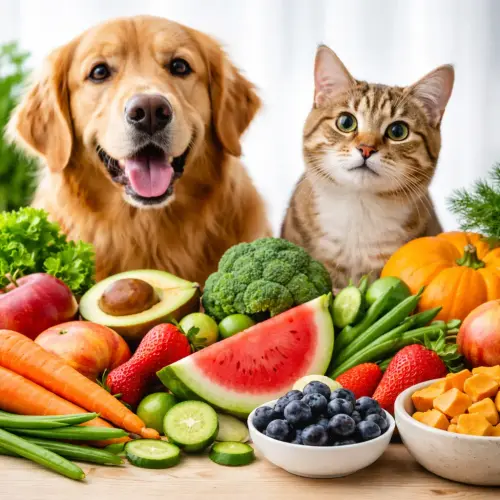
As a devoted pet owner, you want every snack you offer to be both delicious and beneficial. Safe human foods for dogs and cats provide essential vitamins, antioxidants, and fiber without the preservatives found in many commercial treats. But not every fruit or vegetable is pet-safe. Some common produce—like grapes and onions—can cause serious health issues. This article explores can dogs and cats eat fruits and vegetables safely, offering a curated list of 11 nutrient-rich options that are both tasty and healthful. Whether you’re a first-time puppy parent or caring for a senior cat, the following information will help you make informed choices. Always consult your veterinarian before making significant changes to your pet’s diet. For a related guide, see 8 Common Reasons Dogs Scratch Excessively.
The Best 11 Safe Fruits and Vegetables Pets Can Eat
Below is a detailed, vet-approved breakdown of eleven fruits and vegetables you can confidently share with your pet. Each entry includes specific health benefits, serving tips, and cautions to ensure safety.
1. Blueberries
Blueberries are a superfood for pets. Rich in antioxidants, vitamin C, and fiber, these tiny berries support immune health and cognitive function in aging dogs and cats. Can pets eat bananas apples carrots blueberries? Yes—blueberries are among the safest options. Serve fresh or frozen as a crunchy treat. Always wash them first and limit to a few small berries per day for small pets.
2. Carrots
Crunchy carrots are excellent for dental health. Chewing raw carrots can scrape away plaque and freshen breath. Carrots are rich in beta-carotene, which supports vision and immune function. Steam or boil if your senior pet has dental issues. Cut into thin sticks or small rounds to prevent choking.
3. Apple Slices
Apples provide dietary fiber and vitamin A and C. They make a refreshing, low-calorie snack. Remove the seeds and core before serving, because apple seeds contain trace amounts of cyanide, which can be toxic in large quantities. A few thin slices are plenty for a small dog or cat.
4. Bananas
Bananas are packed with potassium, vitamin B6, and vitamin C. They are naturally sweet, making them a favorite for many pets. Because bananas contain a high sugar content, serve only small occasional pieces—especially for pets with diabetes or weight issues. Mash a teaspoon onto your pet’s food as a special enticement.
5. Green Beans
Plain, fresh, or frozen green beans are low in calories and high in fiber. They are a perfect option for overweight pets needing a satisfying crunch. Steamed or raw (as long as they are fresh), they provide manganese, vitamin C, and vitamin K. Avoid canned beans with added salt or seasoning.
6. Pumpkin (Plain, Cooked)
Plain canned pumpkin (not pie filling) or cooked fresh pumpkin is a digestive superfood. The high soluble fiber content regulates both diarrhea and constipation. It also contains vitamin A, zinc, and iron. Add one to two teaspoons to your pet’s meal to soothe an upset stomach.
7. Sweet Potatoes
Cooked, peeled sweet potatoes are a fantastic source of dietary fiber, vitamin B6, vitamin C, and manganese. They are also naturally sweet and filling. Bake or steam without any added sugar, salt, or butter. Limit portions, as too much can cause soft stool.
8. Cucumbers
With high water content and very few calories, cucumbers are a perfect hydrating snack for hot days. They are rich in vitamin K, magnesium, and potassium. Peel the skin to improve digestibility, especially for cats. Slice into small sticks for easy eating.
9. Zucchini
Zucchini is a gentle, easily digestible vegetable that is safe raw or cooked. It contains vitamin A, vitamin C, and small amounts of calcium and iron. This is one of the vegetables good for pet digestion because it is low in natural sugars and easy on the stomach. Grate over your pet’s regular food for a vitamin boost.
10. Watermelon (Seedless)
Seedless watermelon is hydrating and packed with lycopene, vitamin A, and vitamin C. Ensure all seeds are removed and cut the flesh into small cubes. The high water content makes it a refreshing treat, but do not feed the rind, which is tough to digest.
11. Spinach
Spinach is a nutrient-dense leafy green loaded with iron, calcium, and vitamins A, C, and K. In small amounts, it supports overall health. However, spinach contains oxalates, which can contribute to kidney issues in large quantities. Cats and dogs with kidney problems should avoid spinach. Sprinkle a few finely chopped leaves over a meal occasionally.
Understanding the Benefits of Vegetables in Pet Diet
Adding vegetables to your pet’s meals provides critical enzymes, helps with weight management, and lowers the risk of chronic disease. Benefits of vegetables in pet diet extend beyond basic nutrition: the fiber promotes gut health, antioxidants fight inflammation, and the crunch supports dental hygiene. Many owners find that a small serving of steamed vegetables reduces begging behavior because the volume fills the stomach without extra calories.
Why Fiber Matters for Digestive Health
Soluble fiber, abundant in pumpkin and sweet potatoes, absorbs excess water in the gut and normalizes stool. Insoluble fiber from carrots and green beans adds bulk and prevents constipation. Together, these vegetables good for pet digestion keep your pet regular and comfortable.
Safe Human Foods for Dogs and Cats You Already Have in Your Kitchen
Beyond the eleven featured items, many other common kitchen staples are safe and healthy. These safe human foods for dogs and cats can be used as occasional treats or meal toppings: For a related guide, see 12 Human Foods That Are Dangerous for Dogs and Cats.
| Food | Safe for Dogs | Safe for Cats | Key Benefit |
|---|---|---|---|
| Cooked chicken (plain) | Yes | Yes | Lean protein for muscles |
| Plain yogurt | Yes | In moderation | Probiotics for gut health |
| Cottage cheese | Yes | In moderation | Calcium and low-fat protein |
| Cooked eggs | Yes | Yes | Biotin and amino acids |
| Oatmeal (plain) | Yes | Yes (small amount) | Fiber and complex carbs |
| Cooked fish (boneless) | Yes | Yes | Omega-3 fatty acids |
Always serve these foods plain, without salt, seasoning, butter, or oil. Introduce new items gradually and in small amounts. If you have any questions about can dogs and cats eat fruits and vegetables safely alongside proteins like chicken, check with your vet for personalized guidance.
Fruits Pets Should Avoid: A Critical Safety List
Knowing fruits pets should avoid is just as important as knowing safe options. Some produce is toxic to dogs and cats and can cause kidney failure, seizures, or even death. Avoid these fruits and vegetables entirely: For a related guide, see Top 10 Foods Dogs Should Never Eat.
- Grapes and raisins (can cause acute kidney failure in dogs)
- Onions and garlic (damage red blood cells in both dogs and cats)
- Avocado (contains persin, which is harmful in large amounts)
- Cherries (pits, stems, and leaves contain cyanide)
- Tomatoes (green parts contain solanine, which can be toxic)
- Mushrooms (wild varieties are dangerous; store-bought are safe in small amounts)
Keep this toxic fruits vegetables dangerous for pets list handy in your kitchen to avoid accidental poisoning.
How Much Fruit Can Dogs and Cats Eat Daily
Portion control prevents nutritional imbalances and stomach upset. The general rule is that treats—fruits and vegetables included—should not exceed 10% of your pet’s daily caloric intake. For a 20-pound dog, that’s roughly 40-50 calories from treats per day. For a 10-pound cat, limit treats to about 20-30 calories daily. A single small apple slice or two blueberries often falls within these limits. When considering how much fruit can dogs and cats eat daily, think of fruit as a supplement, not a meal replacement. Overfeeding fruit can lead to weight gain because of natural sugars.
Low Calorie Healthy Treats for Pets That Keep Weight in Check
If your pet is overweight or prone to obesity, low calorie healthy treats for pets are a lifesaver. Cucumbers, celery, and fresh green beans all contain fewer than 15 calories per serving. These crunchy options satisfy the need to chew without derailing a weight management plan. Air-popped popcorn (unsalted, unbuttered) is another low‑calorie option for dogs. For cats, a small piece of steamed zucchini or a single frozen pea can be a fun and healthy reward.
Homemade Healthy Pet Snack Ideas for Happy, Healthy Pets
Making your own snacks ensures you know exactly what your pet is eating. Here are three simple recipes that combine can pets eat bananas apples carrots blueberries into delicious, safe treats:
Frozen Berry Pup-Pops
Blend ½ cup plain yogurt, ¼ cup fresh blueberries, and ¼ cup mashed banana. Pour into a silicone ice cube tray and freeze. Serve one cube as a cool summer treat. These are perfect for teething puppies and curious cats.
Apple-Carrot Crunch Bites
Grate one small apple and one small carrot. Mix with 1 cup oat flour and 1 egg to form a dough. Roll into small balls and bake at 350°F for 15 minutes. Store in the refrigerator for up to a week.
Pumpkin and Sweet Potato Chews
Slice a sweet potato into ¼-inch strips. Steam until just tender, then mix with 2 tablespoons of plain canned pumpkin. Spread the strips on a baking sheet and bake at 250°F for 2 hours until chewy. These are naturally sweet and full of vitamins.
Best Natural Treats for Dogs and Cats: What to Look For
When purchasing commercial treats, read labels carefully. The best natural treats for dogs and cats contain a single ingredient—like freeze-dried liver or dehydrated sweet potato—without artificial colors, flavors, or preservatives. Look for treats that list whole fruits or vegetables as the first ingredient. Avoid products with added sugar (dextrose, sucrose, corn syrup) or excessive salt. These best natural treats for dogs and cats should complement your pet’s balanced diet rather than replace meals.
How to Introduce New Foods to Pets Safely
Stomach upset can happen when you change your pet’s diet too quickly. Follow this step-by-step method for how to introduce new foods to pets safely:
- Start small: Offer a single bite-sized piece of the new food. Do not mix with other new items.
- Wait 24 hours: Observe for any adverse reactions, including vomiting, diarrhea, excessive gas, or itching.
- Gradually increase: If no reactions appear, offer a slightly larger portion the next day. Still, keep the treat within the 10% calorie rule.
- Rotate slowly: Once your pet tolerates one new food, wait a week before introducing another.
This approach prevents overwhelming your pet’s digestive system and helps you identify the source of any potential food intolerance.
Identifying Signs of Food Intolerance in Pets After Eating Produce
Even safe foods can cause intolerance in some pets. Watch for these signs of food intolerance in pets after eating produce:
- Vomiting or regurgitation within a few hours of eating
- Diarrhea or loose stools
- Excessive gas or bloating
- Itchy skin, hives, or excessive scratching
- Lethargy or unusual withdrawal
If you observe any of these signs, stop feeding the new food immediately and consult your veterinarian. Some pets may have a sensitive stomach or an underlying condition, such as pancreatitis, that makes high‑fiber or high‑sugar foods problematic.
Vet Approved Fruits and Vegetables for Pets: Building a Balanced Menu
Veterinarians recommend basing your pet’s diet primarily on high-quality commercial food formulated for their life stage. However, vet approved fruits and vegetables for pets can safely enhance that foundation. A balanced diet includes protein, fats, carbohydrates, vitamins, and minerals. Fruits and vegetables add the vitamins and hydration that processed foods may lack. Use the list of eleven produce items above as your go-to guide. Rotate between different options to provide a variety of nutrients.
Balanced Diet Tips for Dogs and Cats
Keeping your pet healthy requires more than just swapping treats. Use these balanced diet tips for dogs and cats to optimize their nutrition:
- Ensure a commercial diet meets AAFCO standards for complete nutrition.
- Use fruits and vegetables only as supplements—they should not exceed 10% of daily calories.
- Provide clean, fresh water at all times.
- Maintain a consistent feeding schedule (two meals per day for adult dogs, and multiple small meals for cats).
- Monitor your pet’s weight and body condition regularly. Adjust portion sizes if you notice weight gain.
- Consult your veterinarian before making any significant dietary changes, especially for pets with chronic conditions like diabetes, kidney disease, or allergies.
Useful Resources
For further reading on pet nutrition and safe feeding practices, explore these trusted sources:
- American Kennel Club: Human Foods Dogs Can and Can’t Eat
- VCA Animal Hospitals: Feeding Your Cat – Complete Nutrition Guide
We hope this guide to Safe Fruits and Vegetables Pets Can Eat empowers you to make confident, healthy choices for your furry friends. Have you discovered a favorite pet-safe treat that isn’t on this list? Share your experience in the comments—your insight might help another pet owner!
Frequently Asked Questions About Safe Fruits and Vegetables Pets Can Eat
Can dogs eat grapes?
No. Grapes and raisins are toxic to dogs and can cause sudden kidney failure. Even one grape can be dangerous. Always avoid feeding grapes.
Can cats eat bananas?
Yes, in very small amounts. Bananas are safe for most cats, but they are high in sugar. Offer a small slice occasionally, not daily.
What are the healthiest fruits for dogs and cats ?
Blueberries, apples (without seeds), and watermelon are excellent choices. They provide vitamins, antioxidants, and hydration with relatively low calories.
Is cucumber safe for cats?
Yes. Cucumber is safe for cats and is a low-calorie, hydrating treat. Peel the skin and slice into small pieces to make it easier for your cat to eat.
Can dogs eat carrots every day?
Yes, but in moderation. A few small carrot sticks per day are fine for most dogs. However, too much can cause digestion problems due to the high fiber content.
Are apple seeds poisonous to pets?
Yes. Apple seeds contain a small amount of cyanide, which can be harmful if eaten in large amounts. Always remove seeds and the core before feeding apple slices.
Which vegetables good for pet digestion ?
Plain pumpkin, sweet potatoes, and zucchini are excellent for digestion. Their soluble fiber soothes the gastrointestinal tract and normalizes stool.
Can dogs and cats eat fruits and vegetables safely together?
Yes, but each species has different nutritional needs. Dogs can tolerate a wider variety of vegetables than cats. Always introduce one new food at a time and watch for reactions.
What fruits pets should avoid at all costs?
Grapes, raisins, cherries (pits), and unripe tomatoes top the list. Also avoid any fruit with pits or seeds that you haven’t removed, as they can cause choking or toxicity.
How much fruit can a 50-pound dog eat daily?
A 50-pound dog can eat about 100 calories of fruit per day, which equals roughly half a cup of blueberries or one small apple. Adjust based on your dog’s overall diet and activity level.
Can pets eat bananas apples carrots blueberries in one day?
Yes, but only in very small amounts from each group. Stick to one type of fruit or vegetable per day to avoid overfeeding sugar and fiber.
Are low calorie healthy treats for pets available commercially?
Yes. Look for freeze-dried fruits, plain vegetables, or single-ingredient meat treats. Always check the calorie content per piece to ensure it fits within your pet’s daily allowance.
What toxic fruits vegetables dangerous for pets are most common in home kitchens?
Onions, garlic, grapes, and raw potatoes are common household items that are dangerous for pets. Keep these out of reach and never add them to your pet’s food.
How to introduce new foods to pets safely if my pet is skittish?
Start by placing a tiny piece of food near their bowl. If they show interest, offer it from your palm. Positive reinforcement (praise) helps. If they reject the item, try again in a week.
What are some homemade healthy pet snack ideas for picky eaters?
Try mixing plain yogurt with mashed banana and freezing it into cubes. For cats, a tiny amount of flaked salmon mixed with steamed zucchini often appeals.
What are the best natural treats for dogs and cats with allergies?
Single-ingredient treats like freeze-dried chicken or sweet potato are excellent. Avoid treats with grains, artificial colors, or common allergens like beef or dairy.
Can dogs eat spinach?
Yes, in small amounts. Spinach is rich in vitamins but also high in oxalates, which can contribute to kidney issues over time. Offer as an occasional treat.
Can cats eat cucumbers?
Yes, cats can eat cucumbers. These are a safe, low-calorie treat that provides hydration. Peel and cut into small pieces to prevent choking.
What are the signs of food intolerance in pets after eating produce?
Common signs include vomiting, diarrhea, gas, bloating, and mild skin irritation. If you see any of these within 24 hours, stop feeding the new food and consult your vet.
Can senior pets eat the same safe fruits and vegetables as younger ones?
Senior pets may need softer, cooked vegetables (like steamed carrots) to accommodate weaker teeth. Portion sizes should also be reduced to prevent weight gain. Always ask your vet for personalized advice.