
Annual Vet Checkups Key Takeaways
Annual vet checkups are the single most effective way to catch hidden health problems early, keep vaccinations on schedule, and extend your pet’s lifespan by years.
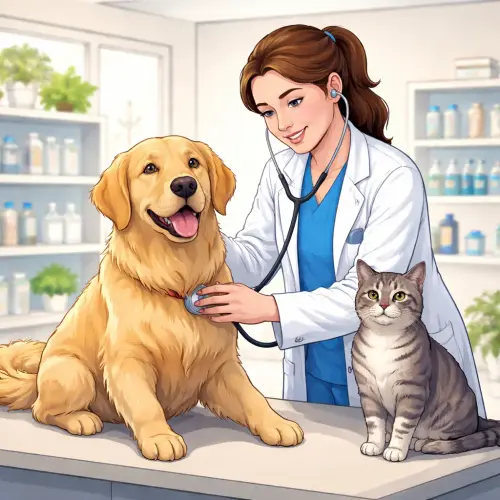
What Makes Annual Vet Checkups So Important for Your Pet’s Health
As a pet owner, you probably notice when your dog seems sluggish or your cat stops eating. But many serious health conditions in pets develop silently. Annual vet checkups are designed to uncover these hidden problems before they become emergencies. During a typical wellness exam, your veterinarian doesn’t just listen to the heart and lungs — they assess the entire animal, from nose to tail.
The importance of preventive pet care cannot be overstated. Routine veterinary visits help maintain your pet’s quality of life, reduce the risk of sudden, expensive medical crises, and strengthen the human-animal bond by keeping your companion comfortable and pain-free.
How Often Should Pets See a Vet? The Truth About Annual Visits
Most healthy adult dogs and cats should visit the veterinarian at least once per year. Puppies, kittens, and senior pets (ages 7 and up) typically need more frequent visits — every 6 months is common. Yet surveys show that nearly 40% of pet owners skip the yearly checkup, often because their pet “seems fine.”
Here’s the reality: pets are experts at hiding pain and illness. In the wild, showing weakness makes an animal vulnerable to predators. That evolutionary instinct remains strong in our domestic companions. By the time you notice symptoms, the condition may already be advanced.
7 Proven Benefits of Yearly Vet Visits for Pets
Let’s break down exactly what you — and your pet — gain from committing to annual vet checkups. These benefits go far beyond “getting shots.”
Benefit #1: Early Disease Detection in Pets
During a pet wellness exam, your veterinarian can spot early indicators of chronic diseases such as arthritis, hypothyroidism, kidney disease, diabetes, and certain cancers. For example, a simple blood test can reveal elevated kidney values months before your cat shows weight loss or increased thirst. Early intervention often means simpler, less expensive treatment and a much better prognosis.
Benefit #2: Up-to-Date Pet Vaccinations and Wellness Exams
Vaccines protect your pet from deadly diseases like rabies, distemper, parvovirus, and feline leukemia. Your veterinarian tailors the vaccination schedule to your pet’s lifestyle, age, and risk factors. Regular pet vaccinations are only possible through consistent annual vet checkups, ensuring your pet maintains herd immunity.
Benefit #3: Parasite Prevention for Pets — Fleas, Ticks, and Heartworm
Year-round parasite prevention for pets is a cornerstone of routine care. Your vet will test for heartworm, check a fecal sample for intestinal parasites, and recommend the best flea and tick prevention for dogs and cats. Undetected parasites can cause anemia, gastrointestinal distress, and even heart failure in severe cases. For a related guide, see 12 Human Foods That Are Dangerous for Dogs and Cats.
Benefit #4: Pet Dental Health Checkups Prevent Painful Conditions
Dental disease affects 80% of dogs and 70% of cats by age three. A thorough oral exam during the checkup identifies tartar buildup, gingivitis, and tooth root infections. Your veterinarian can advise on at-home toothbrushing and schedule professional cleanings. Good pet dental health checkups prevent oral pain, tooth loss, and infections that can spread to the heart and kidneys.
Benefit #5: Pet Nutrition and Wellness Exams for Ideal Body Condition
Obesity is one of the most common preventable health problems in pets. Your vet will evaluate your pet’s body condition score and discuss pet nutrition and wellness exams, appropriate calorie intake, and the right type of food for your pet’s breed, age, and activity level. A healthy weight reduces stress on joints and organs.
Benefit #6: How Vet Checkups Extend Pet Lifespan
Studies consistently show that pets who receive routine veterinary care for pets live longer, healthier lives. By catching problems early, managing chronic conditions proactively, and preventing infectious diseases through vaccination and parasite control, you are actively adding years to your companion’s life. The question is not “can I afford the checkup?” but “can I afford to skip it?”
Benefit #7: Peace of Mind and a Stronger Bond
Knowing your pet is healthy — or managing a known condition correctly — eliminates the worry that something might be wrong. The annual pet health checkup guide also gives you a dedicated opportunity to ask questions about behavior, training, grooming, and anything else on your mind.
What Happens During a Pet Wellness Exam? A Complete Annual Pet Health Checkup Guide
Knowing what to expect can make the visit less stressful for both you and your pet. Here’s a standard checklist of what a routine annual vet checkup includes:
| Exam Component | What the Vet Checks | Why It Matters |
|---|---|---|
| Physical exam (nose to tail) | Eyes, ears, skin, coat, teeth, heart, lungs, abdomen, joints, lymph nodes | Detects abnormalities, pain, lumps, or organ enlargement |
| Weight and body condition score | Muscle mass and fat distribution | Identifies obesity or muscle wasting |
| Vaccinations (as needed) | Core and lifestyle-based vaccines | Prevents contagious, life-threatening diseases |
| Fecal test (stool sample) | Intestinal parasites (roundworms, hookworms, giardia) | Prevents zoonotic transmission to humans |
| Blood work (screen) | Complete blood count, chemistry panel, thyroid | Detects early kidney, liver, thyroid, or blood disorders |
| Heartworm test (dogs) | Antigen test for Dirofilaria immitis | Heartworm is fatal if untreated, but entirely preventable |
| Dental assessment | Gum health, tartar, loose or broken teeth | Oral disease leads to pain and systemic infection |
| Parasite prevention review | Flea/tick and heartworm prevention status | Tailors protection for your pet’s environment |
Pet Blood Tests During Annual Exams: What They Reveal
Pet blood tests during annual exams provide critical baseline data. Even if your pet appears perfectly healthy, a complete blood count can uncover anemia or infection. A chemistry panel checks kidney and liver function, blood sugar, and protein levels. For senior pets, a thyroid test is especially important because hypothyroidism is common in middle-aged and older dogs.
Preventive Care for Dogs and Cats: Tailoring the Checkup to Life Stage
One size does not fit all when it comes to wellness exams. Your veterinarian will customize preventive care for dogs and cats based on age, breed, lifestyle, and existing health conditions.
Puppy and Kitten Wellness Exams: Starting Strong
During the first year, puppy and kitten wellness exams occur every 3–4 weeks until the initial vaccine series is complete. These visits cover deworming, developmental screening, early socialization guidance, and nutrition counseling. Building a relationship with your vet from the start sets the stage for a lifetime of proactive care.
Senior Dog and Cat Health Screenings: Why They’re Critical
Once your pet reaches 7 years of age (or 5 for giant breeds), senior dog and cat health screenings should ideally happen every 6 months. Older pets are at higher risk for arthritis, dental disease, kidney failure, cognitive decline, and cancer. More frequent visits allow your vet to adjust treatment plans early and keep your aging companion comfortable.
Many owners wonder, why senior pets need annual exams more often. The answer is simple: one human year equals roughly 4–7 dog or cat years. Waiting 12 months between checkups for a senior pet is the equivalent of a human waiting 5–7 years to see a doctor — too long for effective early intervention.
Why Indoor Pets Still Need Vet Visits — Even If They Never Go Outside
A common misconception is that indoor-only cats and small dogs that never leave the yard can skip checkups. This is false. Why indoor pets still need vet visits becomes clear when you consider that pets can still be exposed to diseases through open windows, insects, other animals in the home, or even on your own shoes and clothing. Furthermore, indoor pets face unique risks like obesity from inactivity and dental disease from a lack of chewing.
Signs Your Pet Needs a Checkup (Don’t Wait for the Annual Appointment)
While sticking to your scheduled annual vet checkups is vital, certain signs demand immediate attention. If you notice any of the following, call your veterinarian promptly:
- Sudden weight loss or gain
- Changes in appetite or water intake
- Vomiting or diarrhea lasting more than 24 hours
- Limping, stiffness, or difficulty standing
- Excessive scratching, hair loss, or skin lumps
- Bad breath, drooling, or pawing at the mouth
- Lethargy or unusual hiding behavior
- Coughing, sneezing, or labored breathing
- Urinating more frequently or accidents in the house
Stress-Free Vet Visits for Pets: Tips for a Calmer Experience
Many pets — especially cats — find the veterinary clinic stressful. These five strategies can help make stress free vet visits for pets a reality:
- Use a carrier that opens from the top – This allows the vet to examine your pet without forcing them out of a small front door.
- Bring familiar scents – Place a towel or blanket that smells like home inside the carrier.
- Practice short car rides before the appointment – This desensitizes your pet to the vehicle.
- Use calming aids – Talk to your vet about pheromone sprays (like Feliway or Adaptil) or mild calming supplements.
- Schedule wisely – Book the first appointment of the day when the clinic is quiet and wait times are shortest.
Pet Health Maintenance Tips for Between Checkups
Your role as a pet owner doesn’t end when you leave the clinic. Follow these pet health maintenance tips to keep your companion thriving between visits:
- Brush your pet’s teeth daily or use veterinary-approved dental chews.
- Provide fresh water and a balanced, portion-controlled diet.
- Keep up with monthly heartworm, flea, and tick preventatives.
- Engage in daily exercise — at least 30 minutes for dogs, and interactive play for cats.
- Monitor your pet’s weight by feeling their ribs and seeing a visible waistline.
- Clip nails regularly to prevent overgrowth and cracked pads.
- Clean ears weekly to reduce infection risk, especially in floppy-eared breeds.
Annual Vet Care for First-Time Pet Owners: Your Starter Checklist
If this is your first dog or cat, you probably have questions about what to prioritize. Annual vet care for first time pet owners can feel overwhelming, but it breaks down into manageable steps:
- Schedule your initial wellness exam within the first week of bringing your pet home.
- Bring any medical records from the breeder, shelter, or previous owner.
- Prepare a list of questions about diet, behavior, and training.
- Discuss a vaccination schedule and begin a heartworm preventive program.
- Ask about microchipping for permanent identification.
- Set a reminder for the next annual checkup on your phone calendar today.
Affordable Annual Vet Checkups for Pets: How to Manage Costs
Cost is one of the biggest reasons owners delay care. However, affordable annual vet checkups for pets are more accessible than many people realize. Here are strategies to reduce expenses:
- Look for veterinary wellness plans for pets offered by your clinic — these bundle exams, vaccines, and lab work into a monthly fee that saves money over time.
- Consider pet insurance with a wellness rider that reimburses preventive care.
- Ask about community vaccination clinics or low-cost spay/neuter events.
- Invest in preventive care now to avoid expensive emergency treatment later.
Detecting Illness Early in Pets: Why the Annual Exam Is Your Best Defense
The power of detecting illness early in pets cannot be overstated. Conditions like chronic kidney disease, diabetes, and hyperthyroidism can be managed effectively — sometimes for years — if caught in the initial stages. A single annual vet checkup that includes blood work and urinalysis can reveal elevated creatinine, glucose, or T4 levels long before clinical signs appear.
For example, a 2022 study published in the Journal of the American Veterinary Medical Association found that routine blood screening in senior cats identified early-stage kidney disease in 23% of apparently healthy individuals. Those cats started dietary therapy and fluid support months earlier than they would have without the screening.
Healthy Lifestyle for Pets: Integrating Checkups Into Your Routine
Creating a healthy lifestyle for pets isn’t just about the once-a-year appointment. It’s a daily commitment to nutrition, exercise, mental stimulation, and preventive medicine. Think of the annual checkup as your annual performance review — a time to celebrate successes and adjust the plan for the coming year. Your veterinarian is your partner, not just a service provider.
Caring for Aging Pets with Regular Vet Visits
As your pet enters their golden years, caring for aging pets with regular vet visits becomes even more essential. Mobility aids, joint supplements, pain management, special diets, and cognitive support can dramatically improve their quality of life. Your vet can also help you recognize — and address — signs of canine cognitive dysfunction (similar to dementia) or feline osteoarthritis, which is vastly underdiagnosed. For a related guide, see 10 Warning Signs Your Cat Needs a Vet Right Away.
Your Complete Pet Wellness Checklist for the Year
Use this pet wellness checklist to stay on track throughout the year:
- Book the annual wellness exam and confirm it on your calendar.
- Collect a fresh stool sample the morning of the visit.
- Update your pet’s ID tag and microchip information.
- Restock heartworm, flea, and tick preventatives.
- Schedule a professional dental cleaning if recommended.
- Weigh your pet monthly at home and record the number.
- Reassess your pet’s diet — ask your vet if it’s still appropriate.
- Check for lumps, bumps, or coat changes weekly.
Useful Resources
For more detailed information on annual vet checkups and preventive pet care, explore these trusted external resources:
- American Veterinary Medical Association – Pet Care Resources
- American Animal Hospital Association – Preventive Care Guidelines for Pets
Frequently Asked Questions About Annual Vet Checkups
Why are annual vet checkups important for pets?
They allow veterinarians to detect hidden health conditions early, update vaccinations, perform parasite screening, and offer nutrition and lifestyle guidance that keeps pets healthier and extends their lifespan.
What happens during an annual pet wellness exam?
The vet performs a full physical exam (nose to tail), checks weight and body condition, updates vaccinations, runs fecal and blood tests, assesses dental health, and reviews parasite prevention.
How often should dogs and cats see the vet?
Healthy adult pets need at least one checkup per year. Puppies and kittens require visits every 3–4 weeks until vaccines are complete. Senior pets (7+ years) should go every 6 months.
What is the best age to start annual vet checkups for a puppy or kitten?
You should schedule the first vet visit within the first week of bringing your new pet home, typically around 6–8 weeks of age, to start vaccinations and establish a health baseline. For a related guide, see First Time Pet Owner Guide 2026: Essential Veterinary Care Checklist.
Do indoor cats really need annual vet visits?
Yes. Indoor cats are still at risk for dental disease, obesity, kidney disease, and can be exposed to diseases through humans or insects. Annual checkups are essential for their health.
What blood tests are done during an annual pet checkup?
Common tests include a complete blood count (CBC), chemistry panel to evaluate kidney and liver function, blood sugar check, and thyroid screening — especially for senior pets.
Can annual checkups detect cancer early in pets?
Yes. The physical exam can identify unusual lumps or swellings, and blood work may show markers that warrant further investigation. Early detection significantly improves treatment outcomes.
How much does an annual vet checkup cost on average?
A basic wellness exam typically costs $50–$100. Adding vaccines, fecal tests, and blood work can bring the total to $150–$300. Wellness plans and pet insurance can help manage costs.
What should I bring to my pet’s annual checkup?
Bring any previous medical records, a fresh stool sample, a list of questions, your pet’s food bag or ingredient list, and any medications or supplements they are currently taking.
Are annual vet checkups really necessary if my pet seems healthy?
Absolutely. Pets instinctively hide signs of illness. Many serious conditions — including kidney disease, diabetes, and dental infections — are silent until they reach an advanced stage.
What vaccines do dogs need at an annual checkup?
Core vaccines include rabies and DHPP (distemper, hepatitis, parainfluenza, parvovirus). Non-core vaccines (leptospirosis, bordetella, Lyme) are given based on lifestyle and risk.
What vaccines do cats need at an annual checkup?
Core vaccines for cats are rabies and FVRCP (feline viral rhinotracheitis, calicivirus, panleukopenia). Feline leukemia vaccine is recommended for cats that go outdoors.
How do I reduce my pet’s stress at the vet?
Use a top-opening carrier, bring a familiar blanket, schedule a quiet appointment time, use pheromone sprays, and reward calm behavior with treats. Practice car rides in advance.
Do senior pets need more than one annual visit?
Yes. Vets recommend a wellness exam every 6 months for senior dogs and cats because aging pets develop chronic conditions faster and benefit from more frequent monitoring.
What is a veterinary wellness plan?
A wellness plan is a subscription-based program offered by many clinics that bundles the annual exam, core vaccines, lab tests, and sometimes dental cleanings into a predictable monthly fee.
Can I skip the annual exam if my pet is on preventatives?
No. Preventatives address parasites but do not replace a full physical exam or screening for internal diseases. Both are essential components of responsible pet care.
What are the most common diseases found during pet checkups?
The most frequently detected conditions include dental disease, obesity, arthritis, ear infections, skin allergies, kidney disease, diabetes, and hyperthyroidism in cats.
How do annual vet checkups help with flea and tick prevention ?
Your vet assesses which preventatives are safest and most effective for your pet’s weight, age, and region, and ensures the product is being administered correctly.
What is a body condition score and why does it matter?
The body condition score (BCS) is a 1-to-9 scale used by vets to assess fat and muscle. It helps determine if your pet is underweight, ideal, or overweight, guiding diet and exercise recommendations.
Can my pet’s annual checkup include dental cleaning?
Most wellness exams include a visual dental assessment, but professional scaling and polishing under anesthesia is usually a separate procedure done during a dedicated dental visit.