
Best Foods for Stronger Pet Immunity Key Takeaways
Your pet’s immune system works around the clock to fight off infections, inflammation, and environmental stressors.
Table of Contents
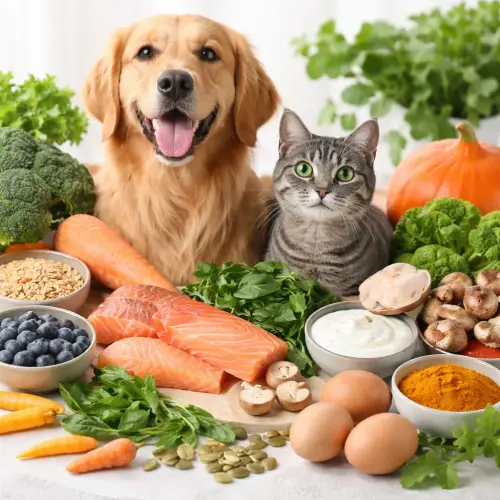
For owners who want complete control over ingredients, preparing homemade foods for stronger pet immunity is a rewarding approach. A balanced homemade meal should contain a protein source (muscle meat, organ meat, or fish), a healthy fat (fish oil or coconut oil), a digestible carbohydrate (sweet potato or pumpkin), and a vegetable component (spinach, carrots, or blueberries). Working with a veterinary nutritionist is strongly recommended to ensure the diet meets AAFCO standards for complete and balanced nutrition. Many homemade recipes inadvertently lack calcium or taurine (for cats), so supplementation is often necessary. For a related guide, see 12 Human Foods That Are Dangerous for Dogs and Cats.
Foods That Help Pets Fight Infections Naturally
When your pet is recovering from an illness or facing seasonal challenges, specific foods that help pets fight infections naturally can provide targeted support. Manuka honey (in small amounts for dogs only) has natural antibacterial properties. Fresh garlic (in tiny, controlled doses under veterinary guidance) contains allicin that may stimulate white blood cell activity. Mushrooms like reishi and shiitake, when cooked and offered as a supplement, have demonstrated immune-modulating effects. Always research toxicity risks carefully; grapes, raisins, onions, and raw garlic in large amounts are dangerous.
Probiotics for Pets Benefits Immune System
Gut health is central to immunity. The probiotics for pets benefits immune system by increasing the population of beneficial bacteria like Lactobacillus and Bifidobacterium, which produce short-chain fatty acids that nourish gut lining cells and reduce inflammation. Commercial probiotic supplements are available in powder, capsule, and chew form, but natural sources like plain yogurt, kefir, and fermented vegetables (without added salt or spices) can achieve similar effects. Consistency matters more than quantity—daily probiotic intake over several weeks yields the most noticeable improvements in digestion, coat quality, and resistance to minor infections.
Anti Inflammatory Foods for Dogs and Cats
Chronic inflammation suppresses immune function and accelerates aging. Incorporating anti inflammatory foods for dogs and cats can counteract this process. Turmeric (in very small amounts with black pepper for absorption) is a potent anti-inflammatory that has been used in veterinary herbal medicine for decades. Green-lipped mussel powder, rich in omega-3s and unique glycosaminoglycans, supports joint health and reduces inflammatory markers. Ginger can soothe digestive inflammation when offered fresh and grated in tiny amounts. Always consult a vet before adding concentrated herbal ingredients to your pet’s regimen. For a related guide, see 11 Safe Fruits and Vegetables Pets Can Eat.
Foods to Avoid That Weaken Pet Immunity
Knowing what to eliminate is just as important as knowing what to add. The most common foods to avoid that weaken pet immunity include artificial preservatives like BHA, BHT, and ethoxyquin; high-glycemic grains that cause insulin spikes; rendered fats of uncertain origin; excessive sugar, which impairs white blood cell activity for several hours after consumption; and synthetic vitamin and mineral mixes that lack the cofactors found in whole foods. Processed treats with long ingredient lists are often culprits. Stick to single-ingredient treats like freeze-dried liver or dehydrated sweet potato strips.
Healthy Feeding Habits for Long Term Pet Health
Beyond ingredient choice, healthy feeding habits for long term pet health include feeding at consistent times each day, measuring portions to prevent obesity (which suppresses immune function), rotating protein sources to reduce the risk of developing food sensitivities, and offering fresh, filtered water at all times. Splitting daily food into two meals rather than one large meal helps stabilize blood sugar and supports better digestion. Avoid leaving food out all day, as it can encourage bacterial growth and reduce appetite for nutrient-dense meals.
Vet Recommended Nutrition Tips for Stronger Pets
To wrap up the practical guidance, here are actionable vet recommended nutrition tips for stronger pets:
- Introduce new foods one at a time over five to seven days to monitor for allergies or GI upset.
- Aim for a diet that is 40–50 percent protein, 30–40 percent healthy fats, and 10–20 percent carbohydrates and fiber for dogs; cats require higher protein (50–60 percent).
- Supplement with fish oil at a dosage of 20–30 mg of combined EPA/DHA per pound of body weight, unless your pet’s food already provides adequate levels.
- Schedule annual blood work to check for deficiencies in vitamins, minerals, or thyroid function that can mimic immune weakness.
- Combine dietary improvements with regular exercise, parasite prevention, and stress reduction (pets experience immune suppression from chronic stress too).
Useful Resources
For deeper reading on pet immune nutrition, these sources provide evidence-based guidance:
- American Veterinary Medical Association – Choosing the Right Pet Food – Official guidelines on selecting nutritionally balanced commercial and homemade diets.
- PetMD – 10 Foods That Can Boost Your Dog’s Immune System – A veterinarian-reviewed list of immune-supporting ingredients for canine health.
Frequently Asked Questions About Best Foods for Stronger Pet Immunity
What are the best foods for stronger pet immunity ?
The best foods for stronger pet immunity include blueberries, pumpkin, wild-caught salmon, plain yogurt, spinach, carrots, bone broth, eggs, coconut oil, turkey, sweet potatoes, and sardines. These ingredients provide antioxidants, omega-3s, probiotics, and essential vitamins that support every aspect of immune function.
Can dogs eat blueberries every day?
Yes, dogs can eat a few blueberries daily as long as they are washed and served plain. Blueberries are low in sugar and rich in antioxidants, making them a safe daily treat for most dogs.
Are carrots safe for cats?
Yes, carrots are safe for cats when steamed or finely grated. They provide beta-carotene and fiber, but should be served in small amounts because cats have limited ability to digest plant matter.
How can I improve my pet’s immunity naturally through diet?
To improve pet immunity naturally through diet, focus on whole, minimally processed foods like lean meats, fish, vegetables, and fruits. Add probiotic sources such as plain yogurt or kefir, include omega-3-rich ingredients like sardines, and eliminate artificial additives and preservatives.
Is pumpkin good for dogs with sensitive stomachs?
Pumpkin is excellent for dogs with sensitive stomachs because its soluble fiber absorbs excess water and helps regulate bowel movements. It also provides beta-carotene that supports digestive tract immunity.
Can cats eat plain yogurt?
Some cats can tolerate small amounts of plain yogurt, but many are lactose intolerant. Introduce a teaspoon and watch for signs of digestive upset. If your cat handles it well, the probiotics can benefit their immune system.
What protein sources are best for immune health?
Lean proteins like turkey, chicken, and wild-caught salmon are best because they provide amino acids necessary for antibody production without excessive saturated fat. Eggs are also a complete protein source rich in selenium and vitamin D.
Do probiotics really help pets?
Yes, probiotics help pets by balancing gut bacteria, which directly influences immune cell activity. Numerous studies show improvements in stool quality, allergy symptoms, and resistance to infections with regular probiotic use.
Can I feed my dog sardines from a can?
Yes, but choose sardines packed in water with no added salt or oil. Avoid sardines in tomato sauce or with spices. Mash them into your dog’s food for a boost of omega-3s, calcium, and vitamin D.
Are sweet potatoes good for diabetic pets?
Sweet potatoes have a moderate glycemic index and can be fed in small, controlled portions to diabetic pets. However, it is best to consult your veterinarian before adding them to a diabetic pet’s diet.
What are the worst foods for pet immunity?
The worst foods include those with artificial preservatives (BHA, BHT), high sugar content (candy, syrups), processed fats, and toxic ingredients like grapes, raisins, onions, garlic, and xylitol. These can suppress immune function or cause direct harm. For a related guide, see Top 10 Foods Dogs Should Never Eat.
How often should I rotate my pet’s protein sources?
Rotating every two to four weeks is a common recommendation to prevent food sensitivities and ensure a broad amino acid profile. Introduce new proteins gradually over a week to avoid digestive upset.
Can I feed my cat blueberries?
Yes, cats can eat one or two blueberries occasionally. They are safe but not nutritionally essential for obligate carnivores. Serve chopped to prevent choking.
Does coconut oil boost pet immunity?
Small amounts of coconut oil may offer antimicrobial benefits due to lauric acid. It is not a replacement for other immune supports but can be a useful addition when used in moderation.
What supplements are best for senior pets?
Senior pets often benefit from high-quality fish oil, glucosamine and chondroitin for joints, probiotics for digestion, and vitamin E. A vet should guide supplementation based on blood work and health status.
Can bone broth replace a meal?
No, bone broth is a supplement, not a complete meal. It lacks the protein, fat, and balanced vitamins needed for daily nutrition. Use it as a topper or hydration aid.
Are leafy greens necessary for cats?
Cats are obligate carnivores and do not require leafy greens. However, small amounts of pureed spinach or kale can provide folate and fiber for cats that enjoy them.
What is the best way to introduce new immune-boosting foods?
Introduce one new food at a time over five to seven days, starting with a very small amount. Monitor stool consistency, energy levels, and skin condition. If any negative reaction occurs, discontinue that food.
Should I give my pet raw eggs?
Raw eggs carry a risk of salmonella and also contain avidin, which can interfere with biotin absorption. Cook eggs thoroughly before feeding to ensure safety and nutrient availability.
Can diet alone prevent all infections in pets?
No diet can prevent all infections. A nutrient-dense diet strengthens the immune system but should be combined with regular veterinary checkups, vaccinations, parasite control, and a healthy lifestyle for optimal protection.